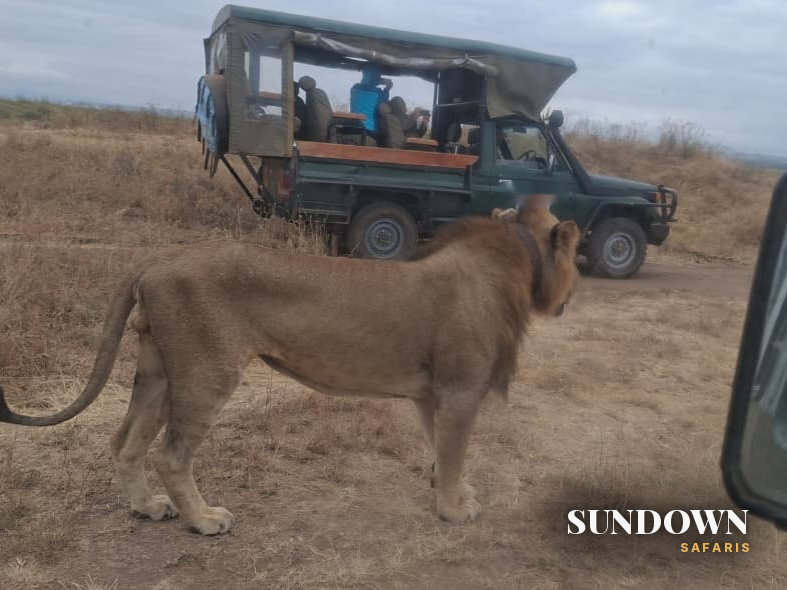
Home / Kenya photography safari
Kenya safari for photographersKenya photography safari, built around the light
Your own Land Cruiser with beanbag window mounts and charging on board, a professional wildlife photographer coaching you in the field, and days timed to the golden hours. Nobody else in your vehicle deciding when to move on.
- 4.9 on Google
- From $2,800 per person
- Plan and price in 24 hours
Why a Kenya safari for photographers needs your own vehicle
Most safaris tolerate photographers. On a shared game drive the vehicle leaves when the group is bored, the engine runs while you shoot, and the best side of the vehicle belongs to whoever sat there first.
A private wildlife photo safari flips that. You decide where the vehicle stops, which side faces the subject and how long you wait for the moment.
Shared game drive
- Group decides when to leave
- Engine running, vibration in the frame
- Fixed seat, fixed angle
Your photo safari
- You stay until the light is right
- Engine off for a steady shot
- Positioned for your angle
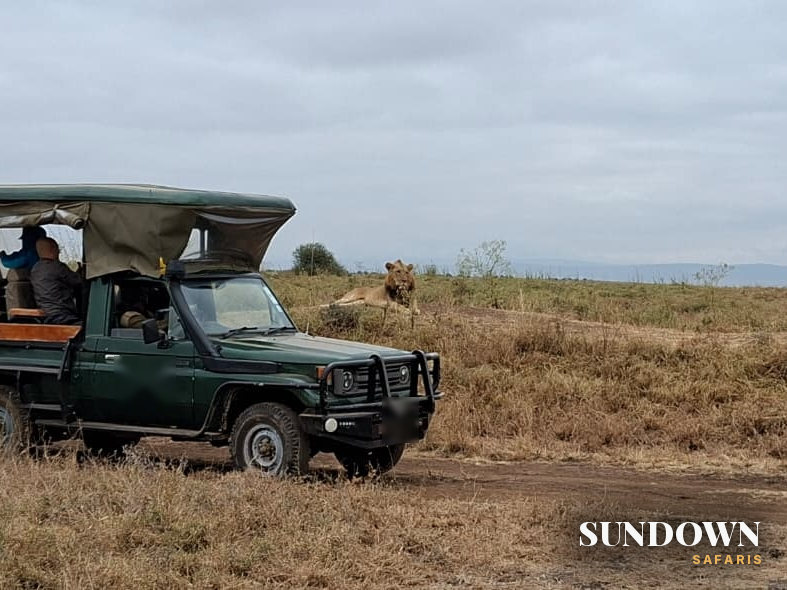
What makes it a Kenya photography safari, not just a safari
Every detail below is about one thing: putting you in the right place, at the right height, in the right light, with a steady camera.
Coaching from a pro photographer
Our photo safaris are led by professional wildlife photographers who coach you in real time, from settings to composition, right at the sighting.
Charging on board
Charging points in the vehicle keep camera batteries topped up between sightings, so a long day in the field never ends early.
Beanbag window mounts
Our Land Cruisers carry side window beanbag mounts, so long lenses stay rock steady without a tripod in the vehicle.
Low angle positioning
The Photographer track uses low angle window mounts, so you shoot closer to eye level with the animal instead of down on it.
Pop up roof, every seat a window
A pop up roof for standing shots and a clear window at every seat. Nobody shoots over someone else's shoulder.
Engine off, guide waits
Your guide switches off the engine and holds the position rather than moving on to the next sighting.
Days built around the light
Out before sunrise, back after sunset. On the Photographer track the middle day runs from pre dawn to dusk.
Conservancy access
We hold licences in the Mara North and Olare Motorogi conservancies, where off road driving lets you choose a cleaner background.
Private conservancies vs national reserves for wildlife photography
The Masai Mara ecosystem has two kinds of land, and they shoot very differently. The best photo safaris use both.
| For photographers | Masai Mara National Reserve | Private conservancy |
|---|---|---|
| Off road driving | No. Vehicles stay on marked tracks | Yes, within conservancy rules, so you can choose your angle |
| Vehicles at a sighting | No limit, busy sightings in peak season | Strict limits, usually no more than a handful of vehicles |
| Night drives | Not permitted | Permitted with a spotlight and ranger |
| Best for | River crossings and the big migration herds, July to October | Clean backgrounds, low angles, big cats with nobody else around |
| Golden hour | Gates control entry and exit times | Camps sit inside, so you are already in position at first light |
| Typical fees | $100 to $200 per person per day | $100 to $200 per person per night, usually with a camp stay |
Rules and fees vary by conservancy and season. We confirm the exact access for your dates in your plan. Read the full conservancy guide.
The best time for a Kenya photography safari
There is no bad month, only different pictures. Pick the season by the shot you want to bring home.
Dry and clear
Clean skies, short grass for big cat action and lower park fees. A quiet favourite for photographers.
Green and moody
The long rains. Dramatic skies, saturated greens and the fewest vehicles of the year.
The herds arrive
Still green, with the migration starting to move north into the Mara.
Migration and crossings
Mara River crossings, dust and backlit action. Peak fees and busy sightings, so book early.
Soft light
Short rains, fresh grass, newborns and softer crowds before the holidays.
Kenya sits on the equator, so golden hour barely moves all year: roughly 6:30 in the morning and 6:45 in the evening. Plan your days around those two windows.
Where to go on a wildlife photo safari in Kenya
Masai Mara and its conservancies
Lions, cheetah and leopard, river crossings and endless golden grass. The heart of any Kenya photography safari.
On the Photographer and Horizon ChaserAmboseli
Big elephant herds with Kilimanjaro rising behind them, best at first light before the cloud builds.
On Ultimate KenyaSamburu
Northern species you will not see in the Mara: Grevy's zebra, reticulated giraffe and gerenuk, in warm dry light.
On the TrailblazerLake Nakuru and the Rift Valley lakes
Flamingo shorelines, reflections and rhino. A strong add on for bird and landscape work.
Ask for a custom routeCamera gear for a Kenya photo safari
Lenses
- Telephoto zoom, 100 to 400mm or 200 to 600mm
- Wide angle, 16 to 35mm, for skies and landscapes
- A second body so you never change lenses in the dust
Stability
- Beanbag mounts are already in the vehicle
- Skip the full tripod in the vehicle
- A light monopod is handy at camp
Power and dust
- Charging points on board, plus spare batteries
- Plenty of memory cards
- Lens blower and microfibre cloths
- Rain cover from March to May and in November
More detail in our wildlife photography tips for Kenya.
Kenya photography safaris you can book
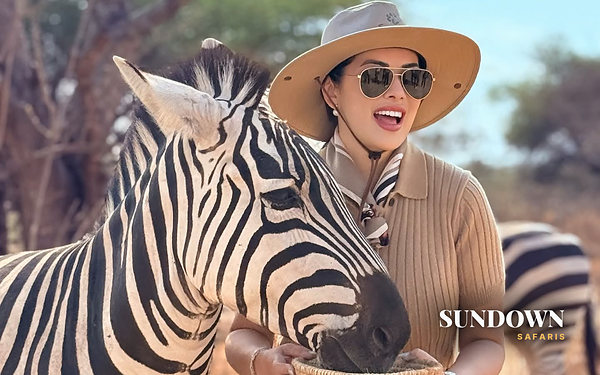 3 days, Masai Mara
The Photographer
Three days built around the light, with low angle mounts and a guide who switches off the engine and waits for the shot.
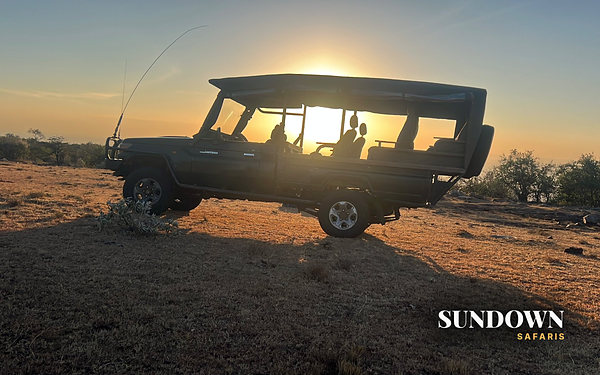 5 days, Mara and conservancy
The Horizon Chaser
A dawn balloon flight over the Mara for aerial frames, then private conservancy time and luxury tented camps.
A custom photo route
Amboseli elephants at first light, Samburu specials or extra conservancy days. Tell us your dates and target species and we build it around you.
Plan my routeKenya photography safari FAQ
What is the best Kenya safari for photographers?
A private safari with your own vehicle and guide, timed around the golden hours. In a shared vehicle the group decides when to leave a sighting. In a private one you stay until the light is right. For most photographers that means a few days in the Masai Mara, ideally with time in a private conservancy where off road driving lets you choose the angle. Our photo safaris are led by professional wildlife photographers who coach you in real time, and our 3 day Photographer and 5 day Horizon Chaser are built for exactly this.
What camera gear should I bring on a Kenya photography safari?
A telephoto zoom such as a 100 to 400mm or 200 to 600mm for wildlife, and a wide angle around 16 to 35mm for landscapes and skies. Bring a second body if you have one so you are not changing lenses in the dust, plus spare batteries, plenty of memory cards, a lens blower and a rain cover. Our Land Cruisers carry side window beanbag mounts and charging points, so you do not need to pack your own beanbag and can top up batteries between sightings.
When is the best time for a photography safari in Kenya?
July to October brings the migration and the Mara River crossings, with dust and dramatic action. January to March is dry and clear with lower park fees and excellent big cat sightings. April and May are green and quiet with moody skies. Because Kenya sits on the equator, golden hour falls at roughly the same time all year, around 6:30 in the morning and 6:45 in the evening.
Is a private vehicle really worth it for wildlife photography?
For photographers it is the single biggest difference. You choose which side of the vehicle faces the subject, your guide switches off the engine so there is no shake, and nobody asks to move on when the light is about to turn. In a private conservancy you can also leave the track to find a cleaner background.
How much does a photography safari in Kenya cost?
Our photography focused safaris start from $2,800 per person for 3 days and $4,800 per person for 5 days, all inclusive of your private vehicle, guide, park and conservancy fees, accommodation and meals. Your exact price depends on dates and group size, and we send it within 24 hours of your enquiry.
Your next portfolio starts in the Mara.
Send your dates, group size and the shots you are chasing. You get a draft itinerary and a straight price within 24 hours, with nothing to pay to ask.